Field Insight · HP Lessons 6 + 7
Have You Ever Had to "Burn" a Stakeholder to Win a Deal?
I asked 40+ salespeople. Here's what actually wins deals.
Lesson #6 — The Setup
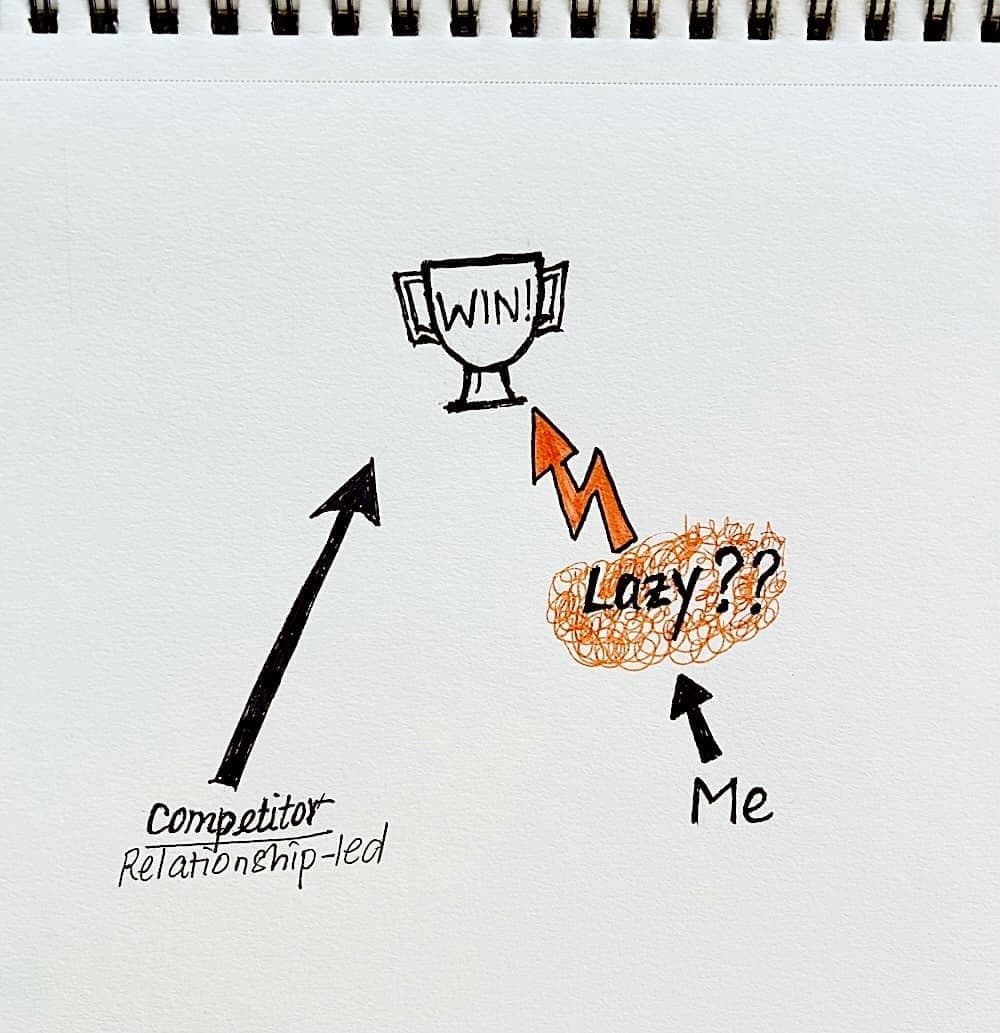
I once almost lost a deal because:
- My competitor had a personal relationship with a key committee member
- A key stakeholder was biased against me — and vocal about it
I had two choices:
- Walk away
- Or disrupt the room
→ That's where the "Crying Kid" Strategy came from. Read the full story here.
The Question I Asked Reddit
Is it ever OK to upset a stakeholder to win a deal?
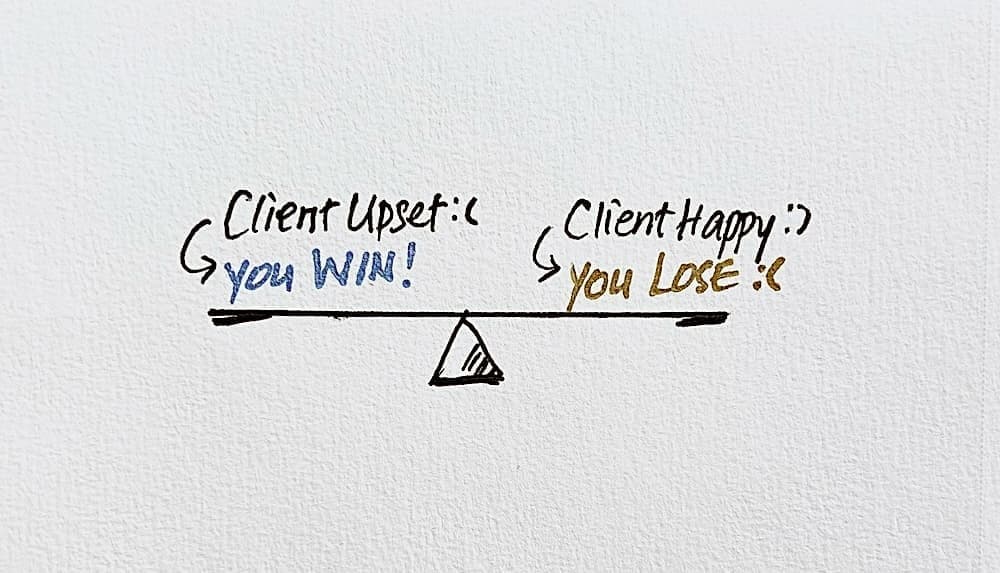
The answers split the room. Here's what 40+ salespeople actually said.
Insight #1 — Shift the Criteria, Not the Person
Best comment:
"You don't win by offending people. You win by making the decision harder to justify the wrong way."
The real move isn't attacking people. It's shifting the decision criteria.
Most reps fight:
- People
- Opinions
- Relationships
Top reps shift:
- What success means
- How decisions are measured
→ From preference → to accountability
Insight #2 — It's Role Behaviour, Not Personality
Most upvoted comment:
"Yes and it's always procurement." — 43 upvotes
Stakeholders don't just block deals. They optimize for:
- Budget
- Risk
- Internal incentives
This is not personality. This is role-driven behaviour.
Insight #3 — Build the Tension
The boldest comment:
"Sign this, or delete my number."
Sometimes, winning means:
- Setting boundaries
- Walking away
- Not pleasing everyone
Insight #4 — The Mature Take
"Offensive is a bit strong. The job is to tell people what they need to hear."
The difference is intent:
- Ego → offend ✗
- Confront → clarify ✓
Lesson #7 — Why Stakeholder Mapping Matters
This is why the 6 Roles, 2 Intents framework exists.
You're not dealing with "people." You're dealing with roles and intent.
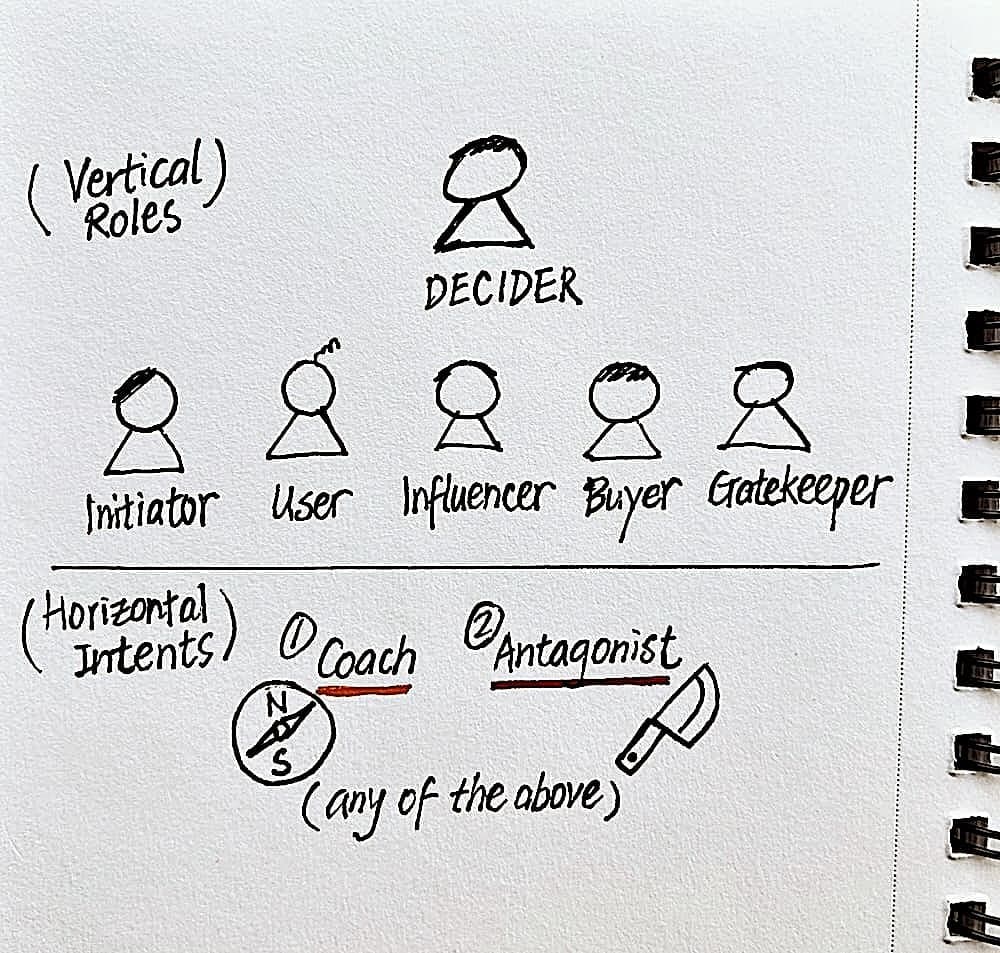
The real problem isn't conflict.
It's defining what "success" means to the person holding the knife.
Read the full 6 Roles, 2 Intents framework →
Final Insight
I won, not because I offended someone.
I won because I:
- Identified the Antagonist
- Activated my Coach
- Shifted the decision upward
If you fight people, you lose control.
If you control the frame, you control the deal.
This is part of my Sales OS:
- Lesson 6 → "Crying Kid" Strategy
- Lesson 7 → 6 Roles + 2 Intents
- Next: The Silence Trap